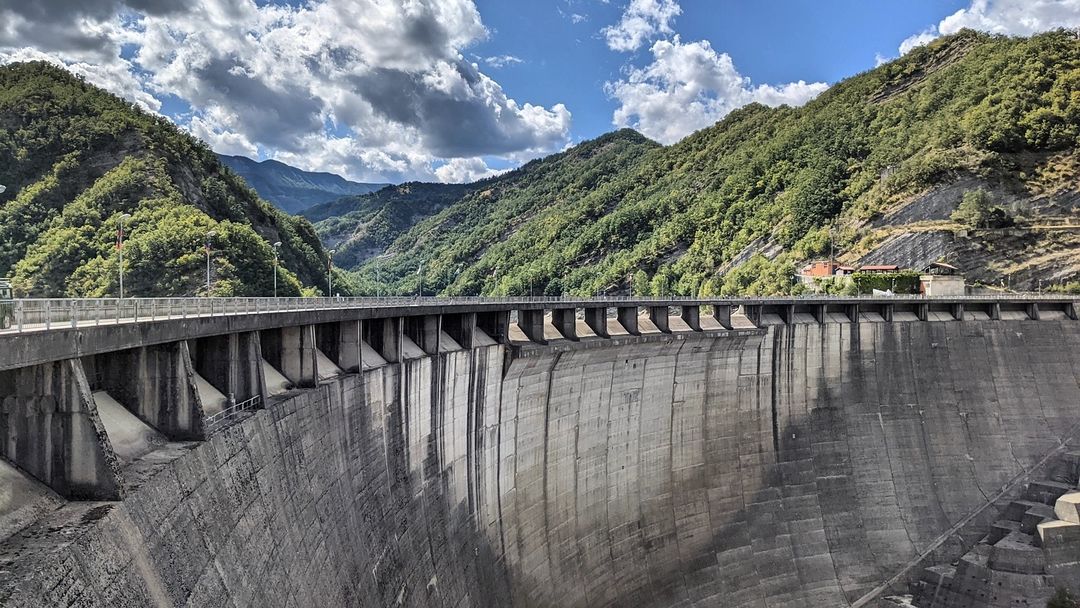
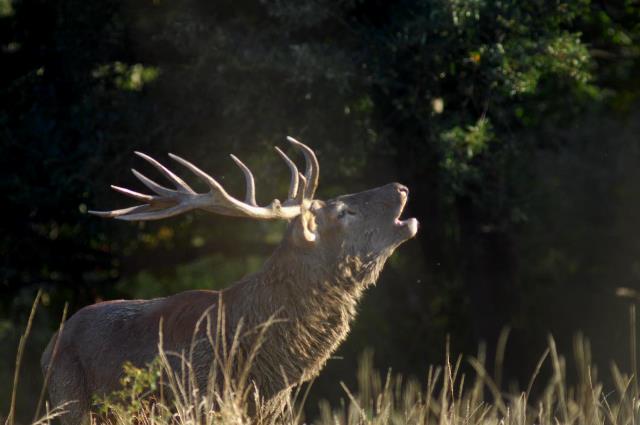
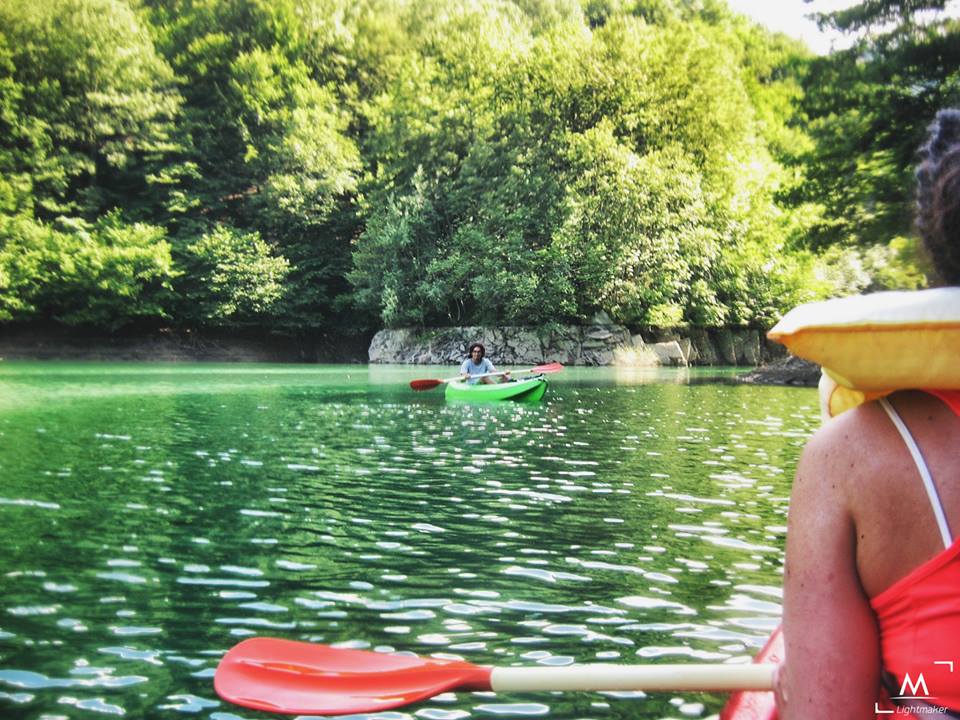
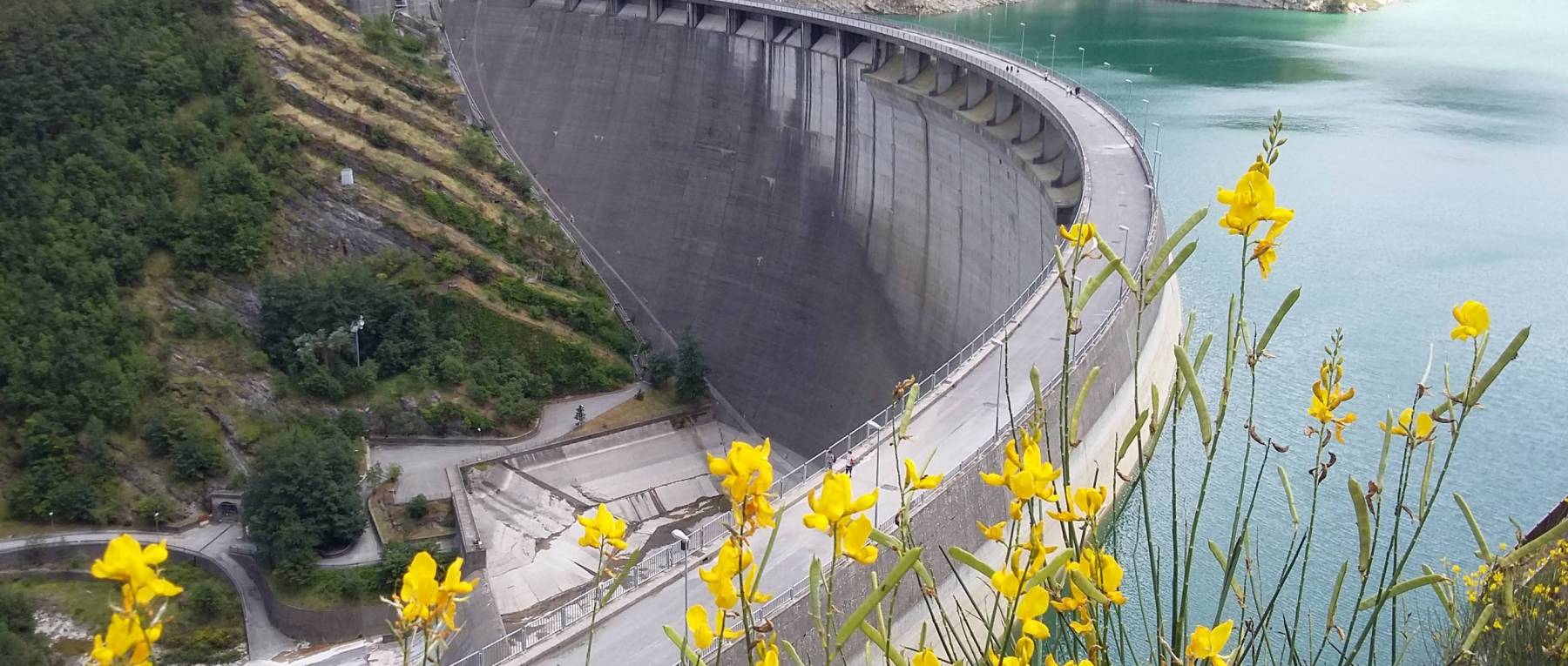
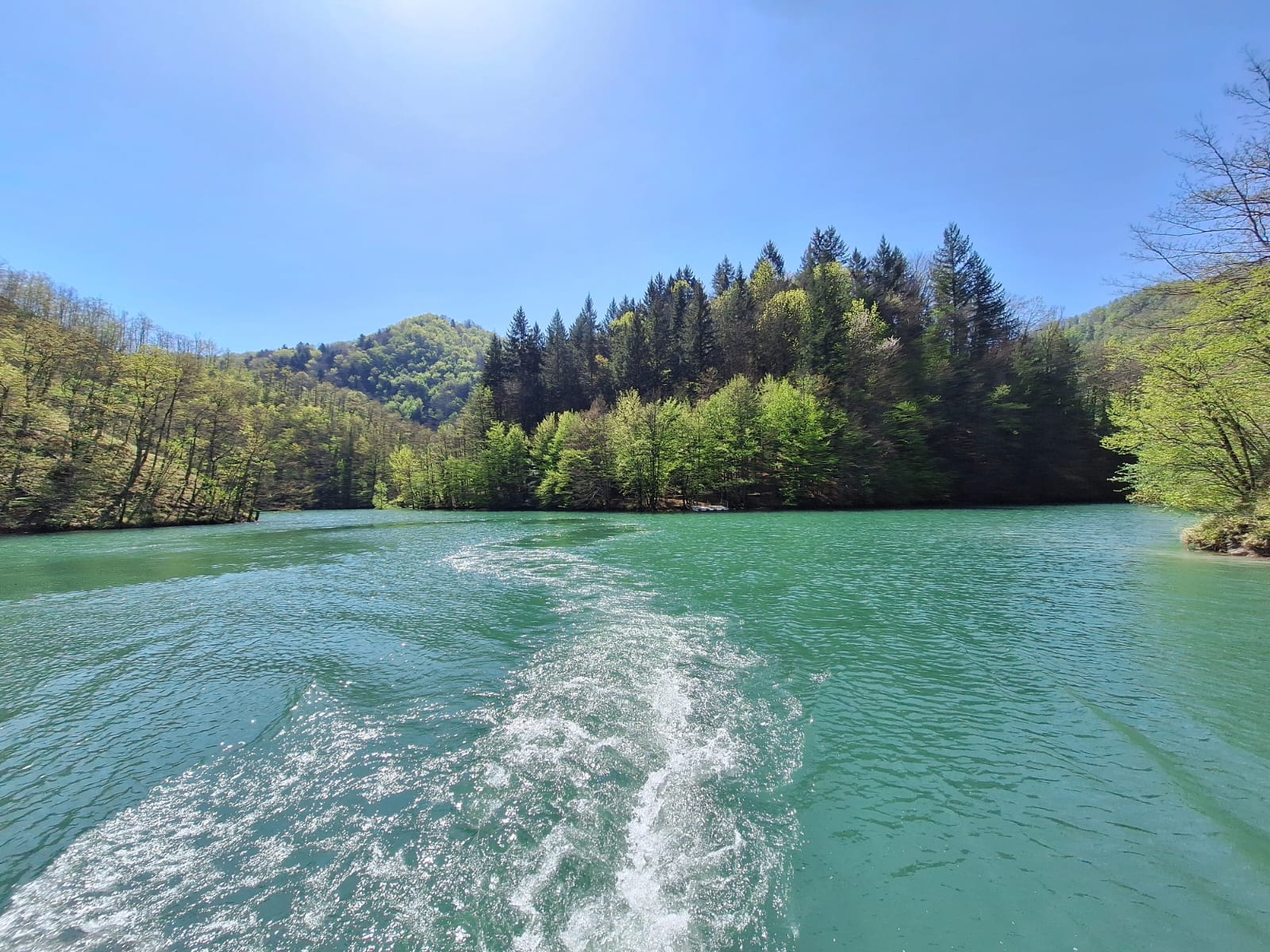
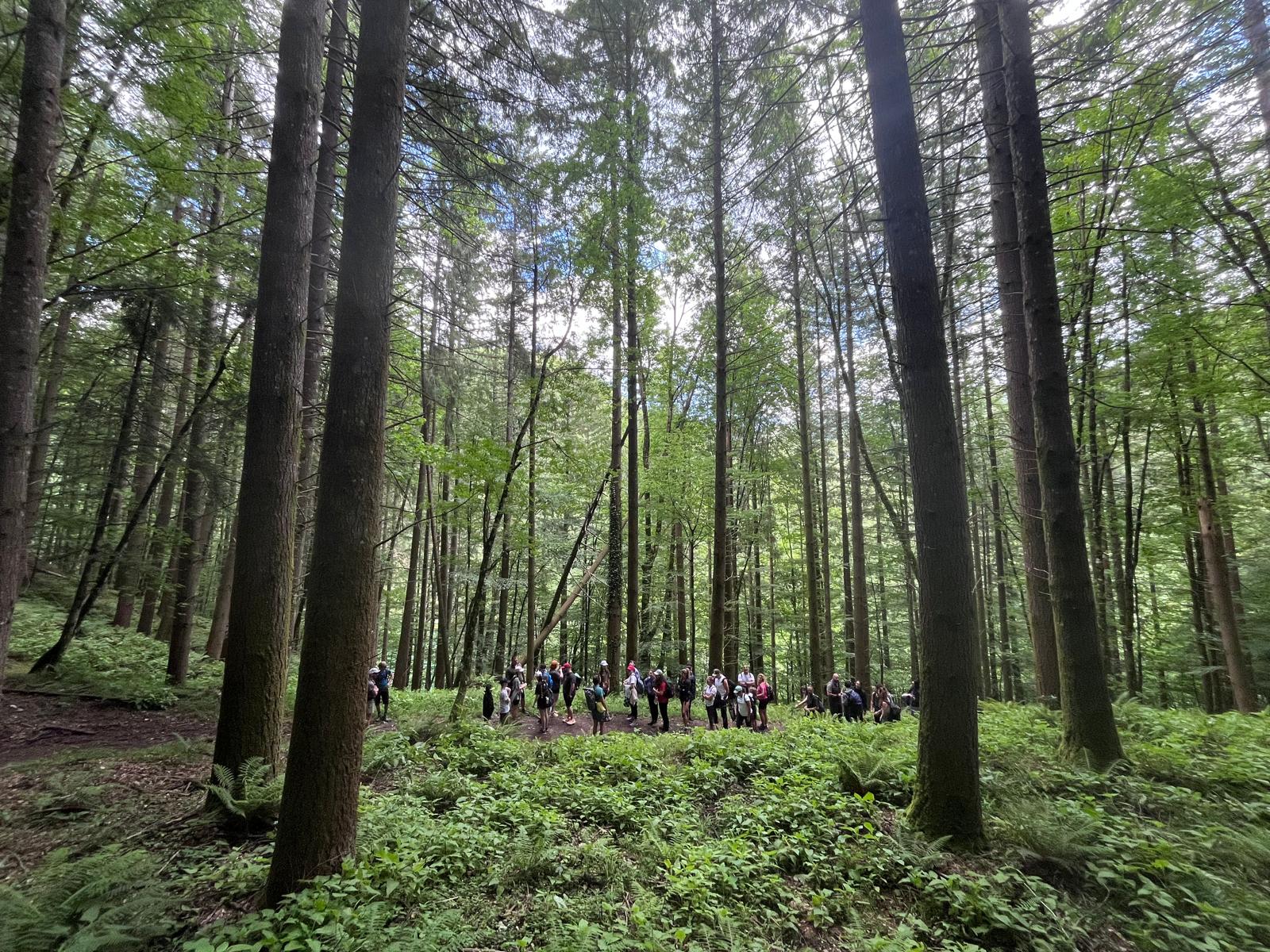
Lake Ridracoli and its namesake dam lie between the municipalities of Bagno di Romagna and Santa Sofia (Forlì-Cesena), in the heart of one of Italy’s most enchanting natural landscapes: the Foreste Casentinesi, Monte Falterona and Campigna National Park – one of the country’s 25 protected areas. An extraordinary feat of human ingenuity, the Ridracoli Dam is an “arch-gravity” structure, designed to withstand water pressure through both its curved shape and its own immense weight.A MONUMENTAL ACHIEVEMENT, AN EXTRAORDINARY WORK OF ENGINEERING
-
Opening times
2026 OPENING HOURS
Please note: Last admission one hour before closing.
FROM 7TH TO 29TH MARCH
Saturday: Dam open 10 a.m. - 5 p.m. | IDRO open 2 p.m. - 5 p.m.
Sunday: Dam and IDRO open 10 a.m. - 5 p.m.
FROM 30TH MARCH TO 7TH JUNE
Saturday: Dam open 9 a.m. - 6 p.m. | IDRO open 2 p.m. - 6 p.m.
Sunday and holidays: Dam and IDRO open 9 a.m. - 6 p.m.
Open on public holidays: Easter and Easter Monday, 25th April, 1st–3rd May, 2nd June (holiday opening hours apply)
FROM 8TH JUNE TO 6TH SEPTEMBER
Every day except Monday: Dam and IDRO open 9 a.m. - 7 p.m.
FROM 1ST TO 31ST AUGUST
Every day: Dam and IDRO open 9 a.m. - 7 p.m.
Open on 15th August (Assumption Day)
FROM 7TH SEPTEMBER TO 18TH OCTOBER
Saturday: Dam open 10 a.m. - 6 p.m. | IDRO open 2 p.m. - 6 p.m.
Sunday and holidays: Dam and IDRO open 10 a.m. - 6 p.m.
FROM 19TH OCTOBER TO 8TH DECEMBER
Saturday: Dam open 10 a.m. - 5 p.m. | IDRO open 2 p.m. - 5 p.m.
Sunday and holidays: Dam and IDRO open 10 a.m. - 5 p.m.
Open on public holidays: 1st November and 8th December (holiday opening hours apply)
FROM 9TH DECEMBER TO 6TH JANUARY 2027
Sunday: Dam open 10 a.m. - 5 p.m. | IDRO closed
Open on public holidays: 1st, 2nd and 6th January
Closed on 24th–26th December
Completed in 1982, the project required nearly 600 billion lire, 3,700,000 man-hours and up to 500 workers a day, operating in three 8-hour shifts. In 1988, drinking water from Ridracoli began flowing to homes across the Romagna region.
The primary purpose of the dam is to supply drinking water to the local area. Water comes from a network of both surface and underground sources distributed across the provinces, with the Romagna Aqueduct stretching for over 600 km.
The Ridracoli Dam remains the most important water source, both historically and in terms of supply volume.